

August 17 1915 – 7 Elul 5675
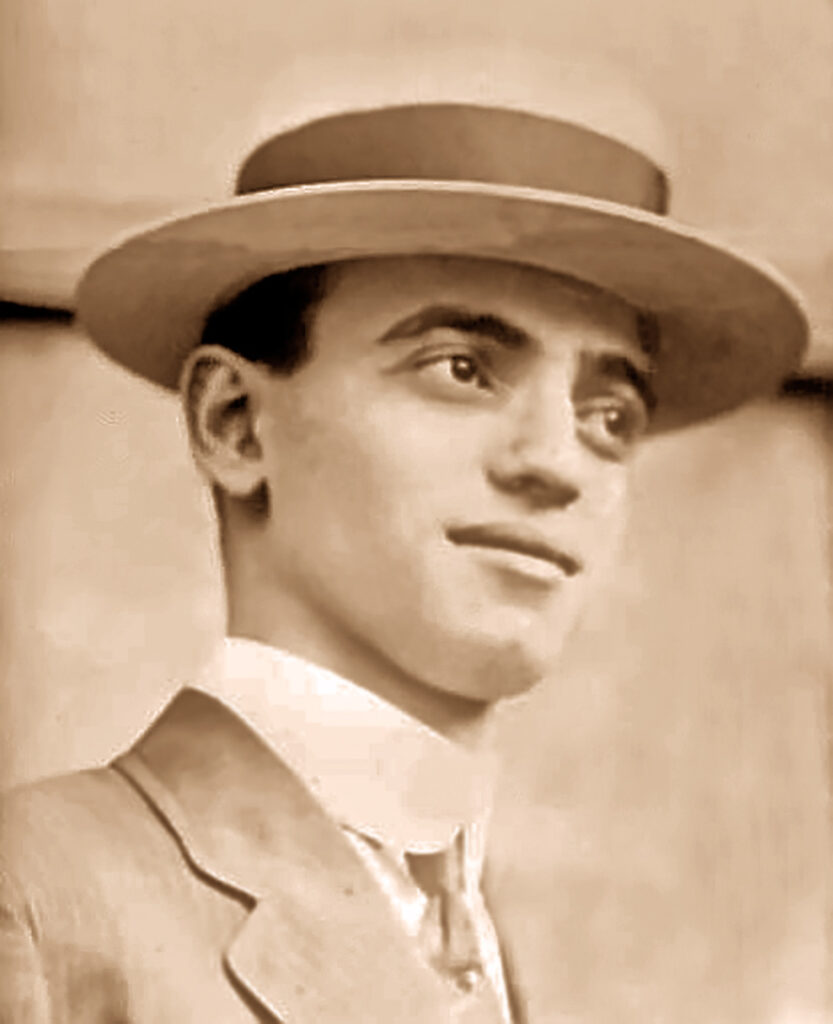
Twenty-five American citizens lynched a young Jew named Leo Frank in the only recorded incident of an anti-Semitic lynch on American soil. The saga began on April 27 1913 in Atlanta, Georgia, when the body of a female employee, fourteen-year-old Mary Phagan, was found on the premises of the factory where Frank worked as a superintendent. Leo Frank was accused of the murder and put on trial; throughout the hearings the jury were incited to condemn him with cries of “hang the Jew.” Though all circumstantial evidence pointed to the factory janitor, Jim Conley, as the murderer, the prosecution insisted that he’d only helped Frank dispose of the body. Leo Frank was found guilty and condemned to death. Jews and liberals tried to intervene to commute his sentence, while anti-Semitic organizations spread rumors to discredit him further.
Thomas Edward Watson, politician and editor of a local newspaper and magazine, fanned the flames of public anger against Frank, publishing poisonous anti-Jewish articles against him daily. He claimed Frank had raped the woman before killing her, published lies, half-truths and rumors to destroy the prisoner’s reputation, and succeeded in creating an atmosphere of hatred while increasing his newspaper sales dramatically. Watson put up the price of his paper, but sales still trebled. His propaganda fell on willing ears; national feeling was anyway running high and racism had raised its ugly head, especially in the deep South of the United States. Frank was attacked in jail by another prisoner and his throat was cut; he spent a month recovering in the prison infirmary. Finally convinced that the trial had been improperly conducted, the governor of Georgia reduced Frank’s sentence to life imprisonment. On August 17, 1915, twenty-five armed men burst into the prison compound. They grabbed Frank, tied him to a car and dragged him 250 km on dirt roads to the house in Marietta where Mary Phagan had been born. Then they hanged him from a nearby tree. Sixty years later, in 1975, the aging factory storeroom clerk admitted that he’d seen Jim Conley murder the girl. Threatened with a similar fate if he reported the truth, he’d kept Conley’s secret until death approached. Now he wanted to be able to die with a clean conscience. For Leo Frank, it was a lifetime too late.

Feel free to share


