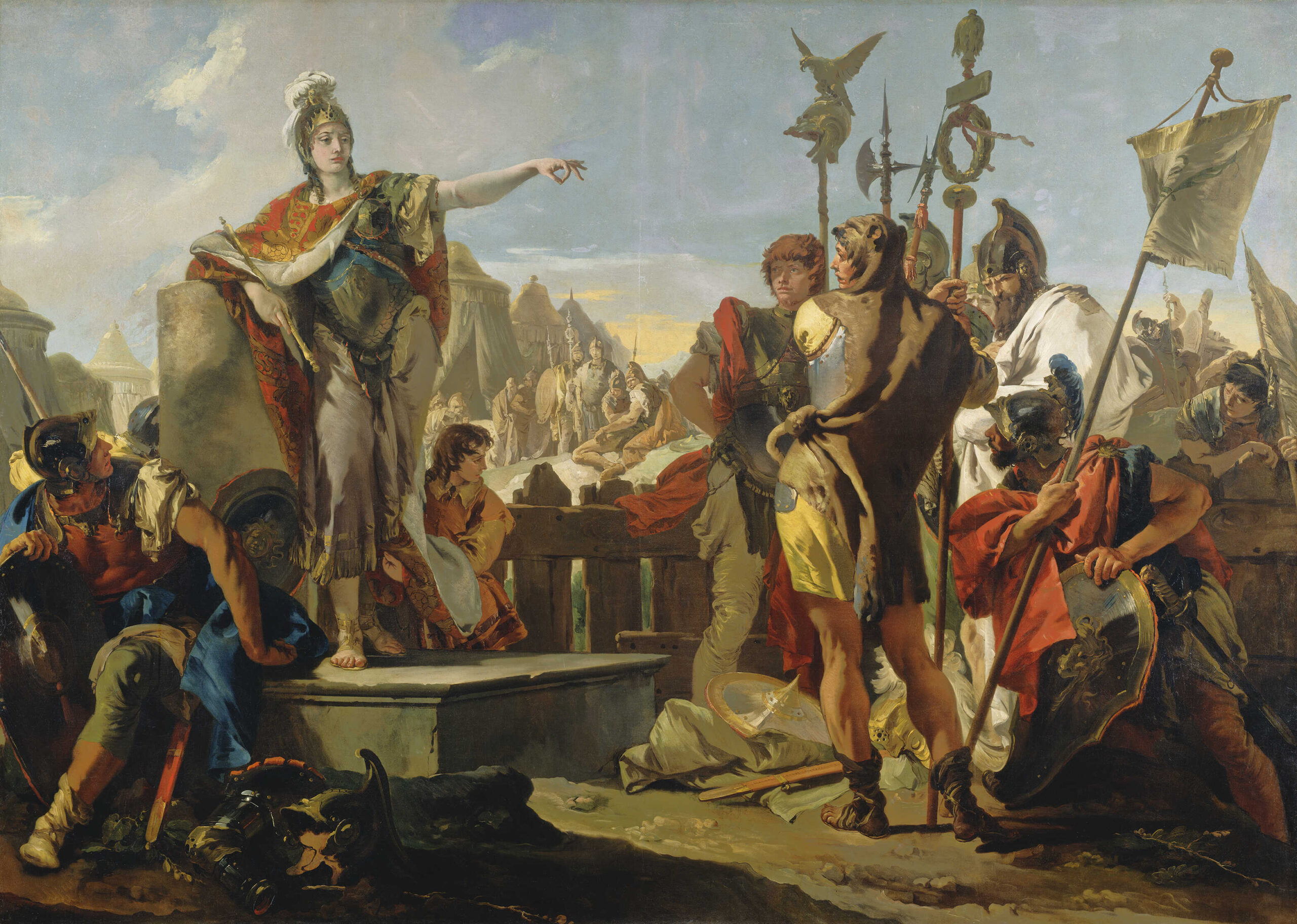
At her peak, Empress Zenobia ruled most of the eastern Roman Empire, from the Persian border to Egypt. Several Christian sources mention her conversion to Judaism. Yet did she actually convert? And if so, to what kind of Judaism? Unraveling the legend

Cannily taking advantage of Rome’s vulnerability in the mid-third century, Queen Zenobia of Palmyra transformed her city-state into an empire stretching from the Euphrates to the Nile. Who was Zenobia, and what do the half dozen Christian texts testifying to her Jewishness signify?
Like Boudica, rebel queen of the Iceni in Britain two centuries earlier, Zenobia has become legendary. But while Boudica’s uprising was swiftly crushed, Zenobia controlled a vast regional empire for five years, and some claim she hoped to conquer Rome itself.
From City to Empire
In the early third century, Rome suffered a string of misfortunes: insurrections, plague, and the loss of whole sections of its empire. In the east, the new Persian Sasanian dynasty seized control of the Parthian Empire, becoming Rome’s greatest threat. The Sasanian ruler, Shappur I, inflicted crushing defeats on the empire, capturing Roman emperor Valerian and tens of thousands of his men at the Battle of Edessa in 260. That same year, Germanic tribes pressed against the empire’s western frontier, while Gaul, Iberia, and Britannia were all forfeit when Roman general Postumus revolted, creating his own Gallic Empire.
Palmyra was a flourishing city in today’s Syria and an important trade center, strategically positioned on the border dividing the Sasanian Empire from its Roman foe. Between 260 and 267, Palmyrene ruler Odaenathus pushed back the victorious Persians on behalf of his Roman overlords, with border raids subduing desert tribesmen and stabilizing the area. His successes earned him Roman influence, titles, and territory, briefly making Palmyra an international player.
After Odaenathus and his eldest son were murdered in 267, his wife Zenobia succeeded him as queen regent for their son Wahaballit. Although her husband had governed as a Roman vassal, Zenobia threw off the empire’s yoke to vastly expand her realm. Exploiting Rome’s temporary weakness, she conquered much of the eastern Roman Empire. At its peak, Zenobia’s kingdom stretched from today’s Turkey in the north to the Nile Valley in the south.
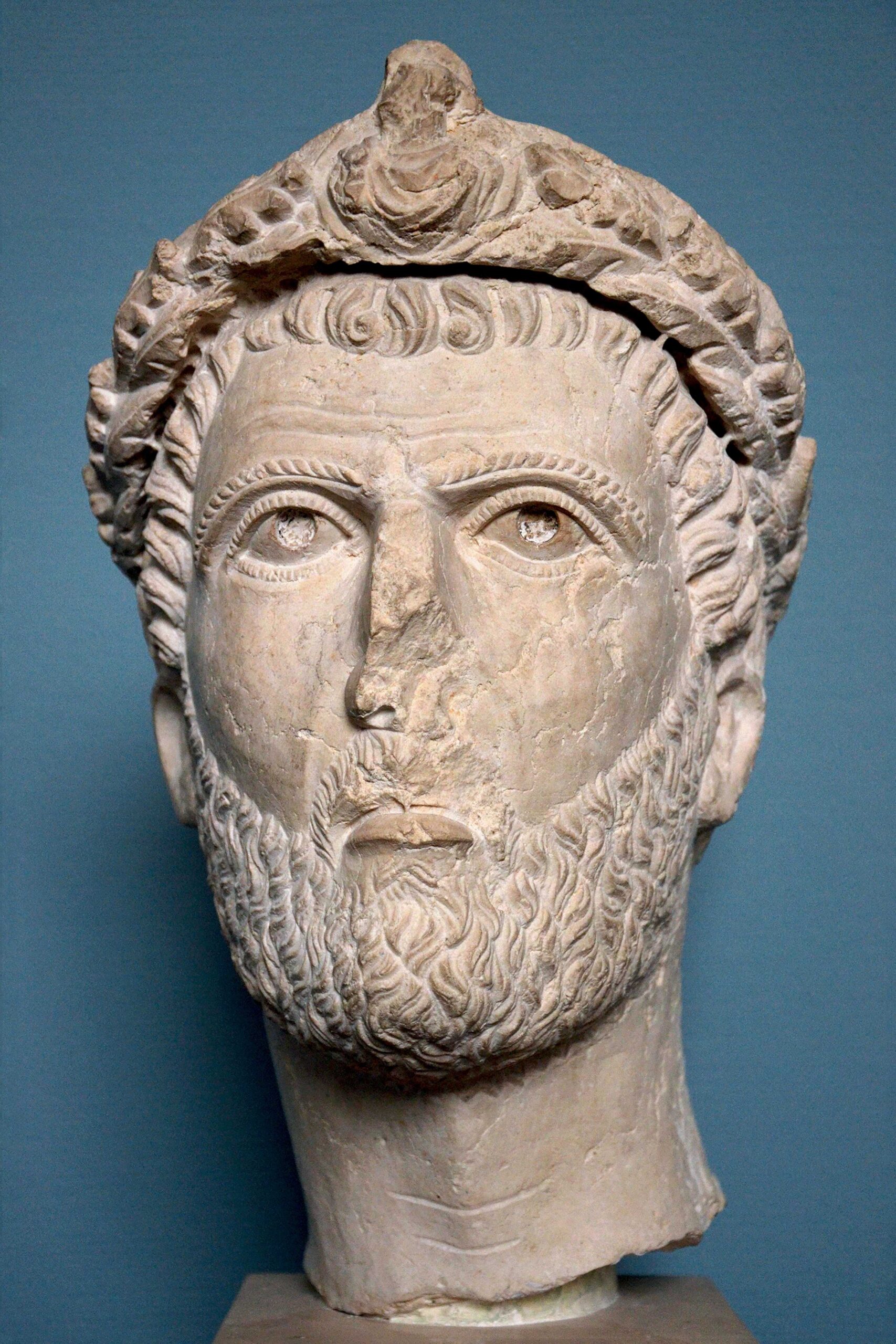
Odaenathus, king of Tadmor, Ny Carlsberg Glyptotek Museum, Copenhagen | Photo: Carole Raddato/Flickr
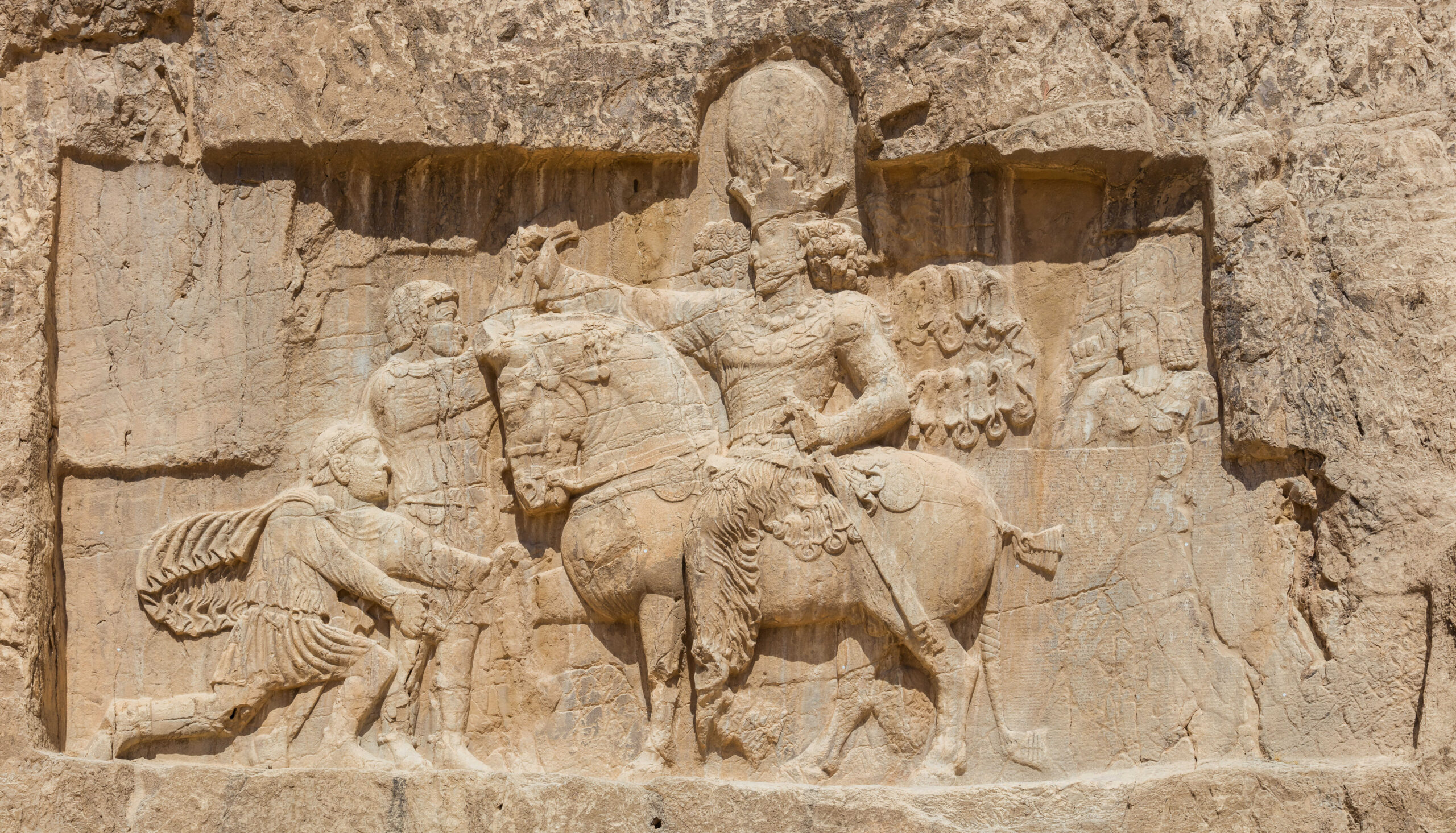
The Roman army suffered a humiliating defeat at Edessa. Roman emperor Valerius submits to Sasanian king Shapur I, third-century rock relief, Naqsh-e Rostam, Iran | Photo: Diego Delso
Not yet a Segula subscriber?
Access our full archive online, have print issues delivered to your door, and moreFeel free to share