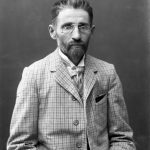
Israel Bak wasn’t one to give up. The first printer in Ottoman Palestine, he also established an agricultural village on Mount Meron in a series of none-too-successful pioneering endeavors

Where To?
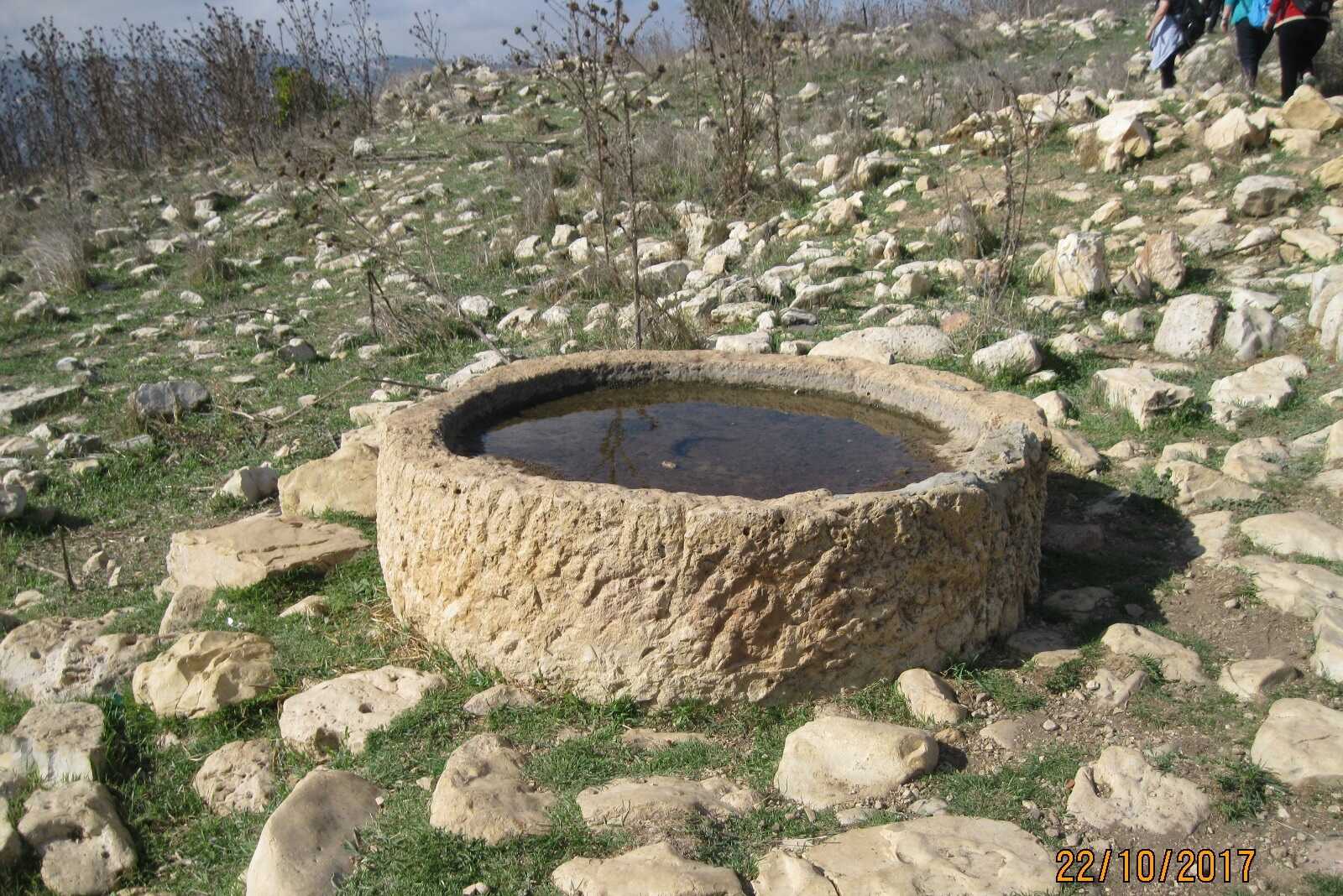
Khirbet Bak, Mount Meron
Ruins of a Jewish agricultural settlement

Summer 1990. A bunch of sweaty Bnei Akiva campers scramble up the steep slope of Mount Meron. As troops compete for the thrill of being first to the summit, rumors of shortcuts begin to fly. Yokhi, our troop leader, won’t hear of it. “We wouldn’t dream of skipping Khirbet Bak!” she cries, offended by the very idea that we’d prefer lemon ices to a glimpse of the first Jewish agricultural settlement in the land of Israel. We keep on huffing and puffing up the hill, braced by the thought that the first Hebrew sickle awaits us just around the corner. So while everyone else is emptying the freezer and celebrating their reaching the top to the strains of a guitar, we’re stuck a few hundred meters away in a small glade scattered with sun-baked stones.
“Right here,” proclaims Yokhi, “in the heart of the Druze village of Jármaq, Israel Bak used these very stones to build the houses and stables of his farm.” As we look on wearily, Yokhi hurriedly invents artifacts to wax on about. “Here’s a cave they used then, and this is an ancient grindstone, and if you peer into that hole, you can still see the glint of clear water at the bottom.”
Our visit to Khirbet Bak was nothing special, but mostly because Yokhi knew none of the incredible tales of Bak’s pioneering efforts in the Galilee.

Pilot Trip
Israel Bak was born in 1797 to a Hasidic family in Berdichev, in today’s Ukraine. At age nineteen, he opened the town’s first Hebrew printing house catering to Hasidim. Over the next few years, Israel the Printer (as he was known) printed prayer books in various editions, married a woman named Baila, and produced a family of five girls and a boy named Nisan.
Nicholas I’s infamous policy of drafting Jewish men and boys into the Russian army for up to thirty years as “cantonists” came into effect in 1827, just in time to threaten Bak’s only son. So in 1831, the printer and his partner, Leibchi the Iron Caster, loaded themselves and their printing press onto a ship and made a pilot trip to the land of Israel. They settled in Safed and opened another Hebrew press, which, as the first of its kind in the region, was a smashing success. So much so that Bak opened a bindery alongside it and sent for his family.
Aboard a Turkish ship somewhere between the Black Sea and the Sea of Marmara, seventeen-year-old Nisan overheard a hushed conversation between the captain and his first mate. His tongue probably loosened by liquor, the captain let his colleague in on his plan to sell his Jewish passengers into slavery. The teen made a fuss, bringing all hands on deck to berate the captain.
A spicier version of the story has young Bak stealing ashore during a stopover in the Dardanelles to appeal to the local Turkish governor, who then took matters into his own hands:
The governor […] cursed [the captain] by his drunken great-grandfather, then sent two guards to ensure the emigrants’ safe passage to the town of Izmir. He made [the captain] sign a personal pledge to bring back official confirmation – from the customs department at the Acre port – that the passengers and all their baggage had arrived safely. (Gershon Gera, All Beginnings [Maariv, 1984], p. 13 [Hebrew])
Caught in the Cross Fire
The Bak family made it to hilly Safed, only to be overtaken by another unfortunate twist.
In 1831, Egyptian governor Mehmet Ali Pasha and his son Ibrahim rebelled against their Ottoman overlords in Istanbul. Conquering Syria and the land of Israel in the First Egyptian-Ottoman War, the governor solidified his hold on the Levant by stationing Ibrahim in Acre. The new pasha applied the modernizing reforms his father had introduced in Egypt, eliminating discrimination against Jews and Christians and drafting young Muslims instead of relying on mercenaries.
Local feelings boiled over in 1834 with the Peasants’ Revolt against Mehmet Ali, and as usual, Jews unfortunate enough to be caught in the cross fire were attacked too. Jerusalem, Hebron, and Nablus all suffered, but the Jews of Safed were hit hardest. For thirty-three days, robbers, rapists, and murderers ran amok.
Israel Bak’s printing house was vandalized, and the cast-iron Hebrew letters brought so painstakingly from Berdichev were smelted down to make bullets. Trying to defend his property, Bak was cornered by a mob but miraculously escaped. Luckily, the “only” lasting damage he sustained was a severe limp, but his wife Baila’s heart was affected, and she died shortly after the riots.
A furious Ibrahim Pasha crushed the revolt mercilessly, and whoever wasn’t hanged in the town square had to generously compensate the Jews he’d assaulted.

Not yet a Segula subscriber?
Access our full archive online, have print issues delivered to your door, and moreFeel free to share