
Not only community leaders suffered interrogation and humiliation in the Damascus Affair – so did their wives. Their letter of thanks recently came to light

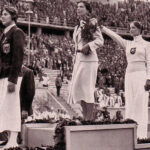
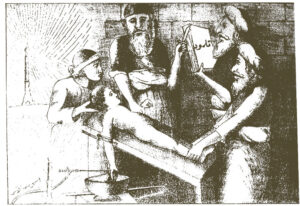
On February 5, 1840, Father Thomas, a Capuchin monk living in Damascus, disappeared along with his servant. Local Christians, with the active support of the French consul, accused the Jewish community of his abduction and ritual murder. Several Jewish leaders were imprisoned and tortured for months. Those who survived were convicted of the crime. European newspapers reported this resurrected medieval blood libel extensively, and the tale was widely believed, or at least considered plausible.
Horrified to discover that their supposedly enlightened European neighbors took the malicious accusations seriously, French and British Jews sent a joint delegation eastward, led by British philanthropist Sir Moses Montefiore and French lawyer and statesman Adolphe Crémieux.
In Alexandria, the delegates appealed to Muhammad Ali, pasha of Egypt, for a fair trial. The pasha had conquered Greater Syria by rebelling against the Ottoman sultan Selim III, and was facing attack from the European empires that sought to wrest the Levant from his grasp. Given this political pressure, combined with Montefiore and Crémieux’s painstaking efforts, Ali pardoned the condemned, albeit without acquitting them. Montefiore and Crémieux returned to Europe triumphant and were feted by its Jewish communities.
Thoroughly documented, the Damascus Affair has resonated powerfully in Jewish historiography. One example is Prof. Jonathan Frankel’s masterful The Damascus Affair: “Ritual Murder,” Politics, and the Jews in 1840. Some even consider the episode a turning point in Jewish history – the beginning of global Jewish solidarity.
From One Woman to Another
In contrast to the extensive discussion generated by the Damascus blood libel in Europe, silence reigns in the records of the local Jewish community. Translations of the interrogations and of correspondence between the European consuls have preserved the suspects’ testimonies and statements made by their families, but between the interrogator, the translator, and the torture chamber, the true voices of the accused can barely be heard. A letter recently discovered in the Central Archives in Jerusalem shifts our perspective to the prisoners’ wives, giving us a rare glimpse of their experiences and role in the Damascus Affair.
Not yet a Segula subscriber?
Access our full archive online, have print issues delivered to your door, and moreFeel free to share