How did the International Style, associated primarily with the Bauhaus school, become the signature look of Zionist construction?

Creating a state isn’t easy. For one thing, it requires a clear understanding of the country’s distinctive identity, image, and character. What will make this new member of the family of nations unique? The Zionist movement, committed to building a home for Jews in a hostile Middle East, struggled mightily with such issues. The question of architecture, though ostensibly minor, was not insignificant among the many dilemmas facing the visionaries of the state in the making. What should the homes and institutions of the new country look like?
Why, you might ask, does a nation even need its own architectural style? Why should everything look the same? Perhaps a people as diverse and dispersed as the Jews would be better off with an eclectic architecture drawing on our many countries and continents of origin. Yet no one challenged the young European architects who insisted Zionism adopt a single architectural approach. A nation ingathered from a two-thousand-year exile, they claimed, desperately needed a visual expression of the values binding it together – in its schools, offices, houses, and even hotels.
Hebrew National
Tel Aviv, then the largest Jewish center in the country, soon became a Zionist architects’ playground. The first attempts at a distinctively Jewish look began before World War I, when many of the city’s first homes and boarding houses were built in the eclectic Land of Israel style. Incorporating classical, Moorish, and even Art Deco elements, this architecture gained instant popularity among the Zionist immigrants by blending Western values – creativity, industry, exactitude, discipline, and cleanliness – with an Oriental emphasis on family and community, the land, and local heritage. Many examples of this early building style are still scattered throughout Tel Aviv’s older neighborhoods, particularly Nahalat Binyamin Street and Allenby and Rothschild Boulevards.
Most of these landmarks, lovingly restored, were the work of two architects: Alexander Levy and Yehuda Magidovitch. Levy is to be credited with – among other structures – the pagoda on Montefiore Street, while Magidovitch, later Tel Aviv’s first municipal engineer, is best known for his numerous buildings on Nahalat Binyamin. A map of them all is part of a commemorative display on the street, now a pedestrian zone.
Most impressive was the iconic Herzliya High School building, dominating the intersection of Tel Aviv’s two main thoroughfares. Designed in 1909 by Joseph Barsky and the founding director of the Bezalel School of Arts and Crafts (as it was then known), Boris Schatz, this architectural jewel was torn down in 1959 to make way for Tel Aviv’s first and ugliest skyscraper, the Shalom Meir Tower. The outline of the original structure has become the emblem of the Council for Conservation of Heritage Sites in Israel.
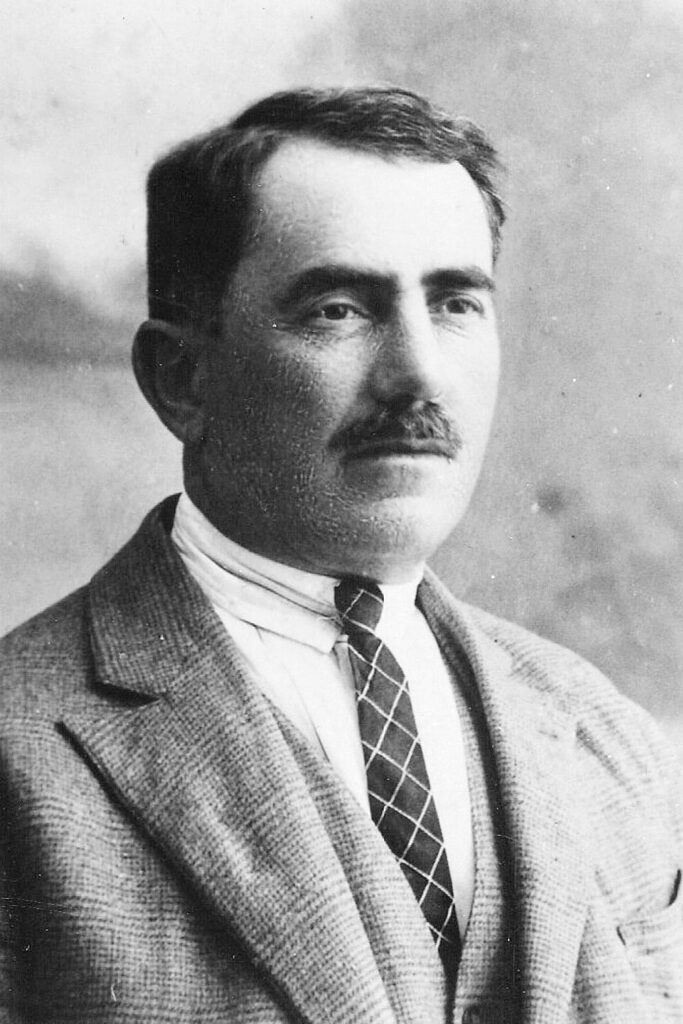
In 1925, Barsky built downtown Jerusalem’s Bikur Holim Hospital in the same style, which thankfully can still be appreciated at this historic site.
Alexander Baerwald was another extremely talented Land of Israel stylist. Aside from mapping out Bat Yam, he designed many flagship structures in his native Haifa, including the historic Technion building. Another of his works, similarly dominated by Oriental arches, is the Hebrew Reali School, which boasts an impressive dome. The eclectic style was so identified with the Zionist movement that Scottish architect Patrick Gidds incorporated Oriental and even Canaanite elements into the National Library he designed on Mount Scopus in 1929.
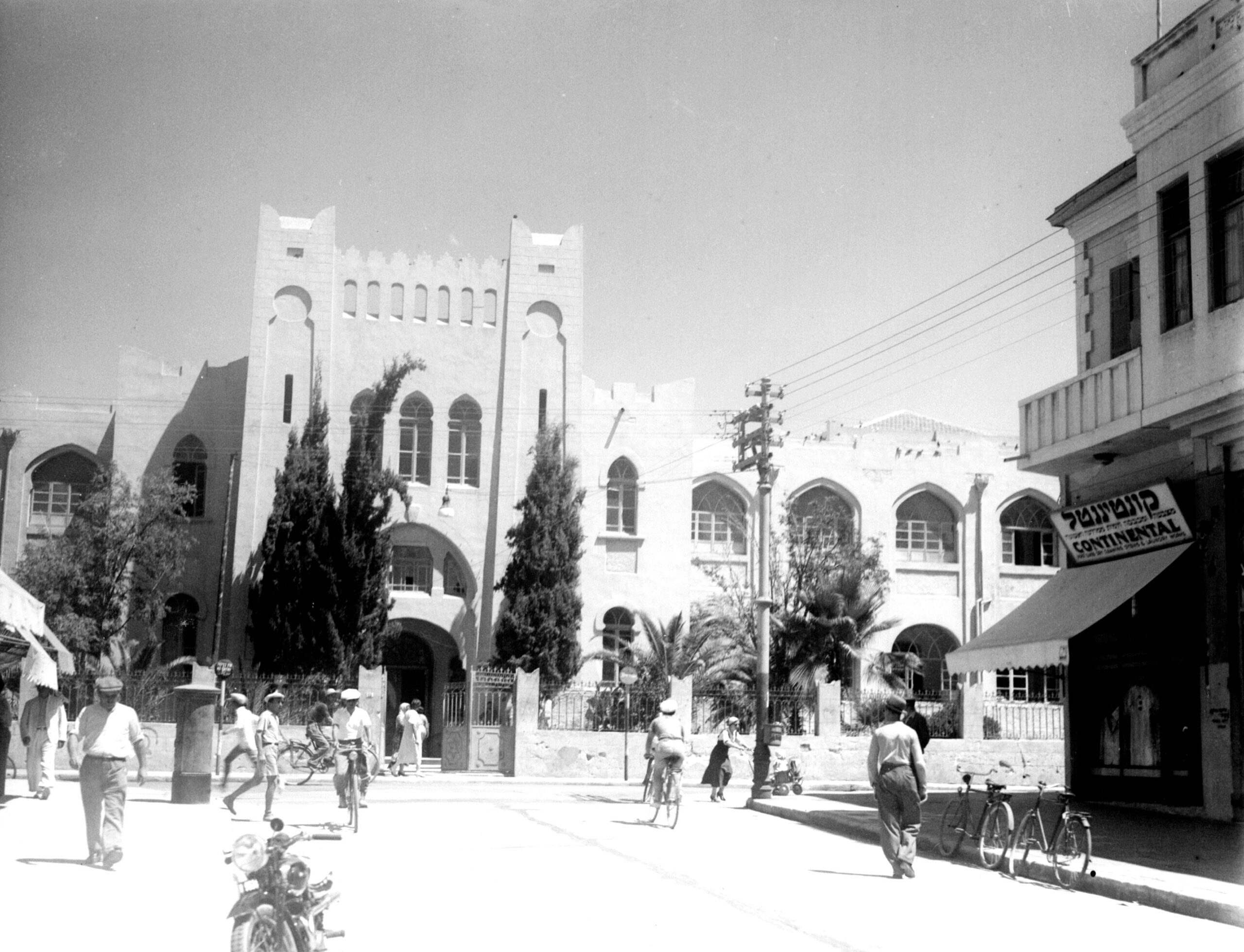
Photo: Zoltan Kluger, Israel National Photo Collection, 1936
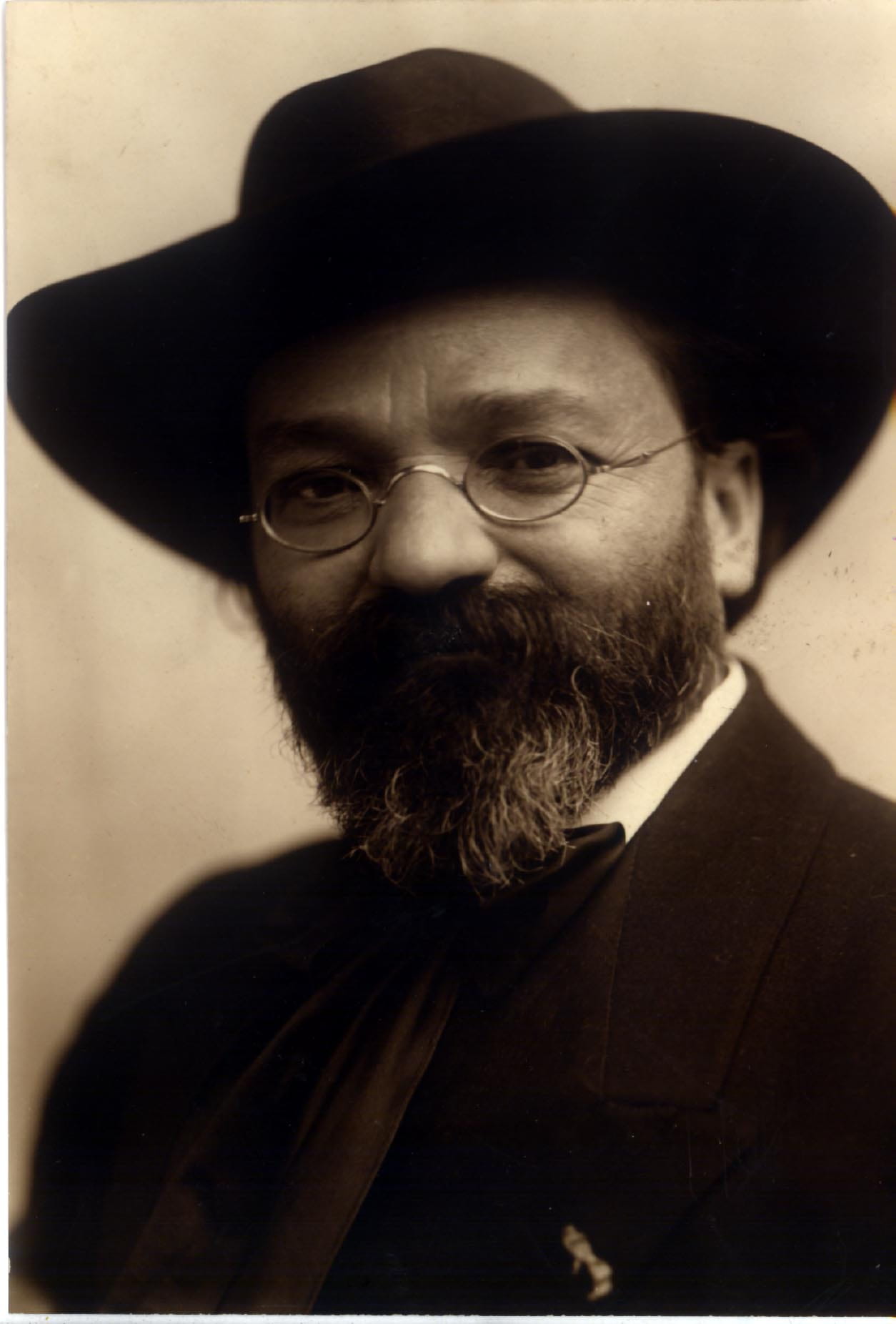
Photo: Schatz House
Tel Aviv’s Herzliya High School was one of the finest examples of the eclectic Land of Israel style. The school and its planners Boris Schatz and Joseph Barsky
West Is Best
In the 1920s, Mandate Palestine began deteriorating politically, with the rift between Jews and Arabs widening particularly after the Arab riots of 1929, with their many Jewish casualties. This antagonism increased pressure to develop a Jewish national architecture that owed nothing to Oriental and Ottoman styles. Jewish architects looked to Europe for a design both interesting and suited to the hot Middle East.
After World War I, Europe – especially Germany – was in the throes of far-reaching changes. The continent sought a new path, a way out of the moral, economic, and nationalist depression left by the horrific battles and millions of dead. This break with the past led to the modernist New Architecture, a clean slate disconnected from tradition and local styles and all about progress.
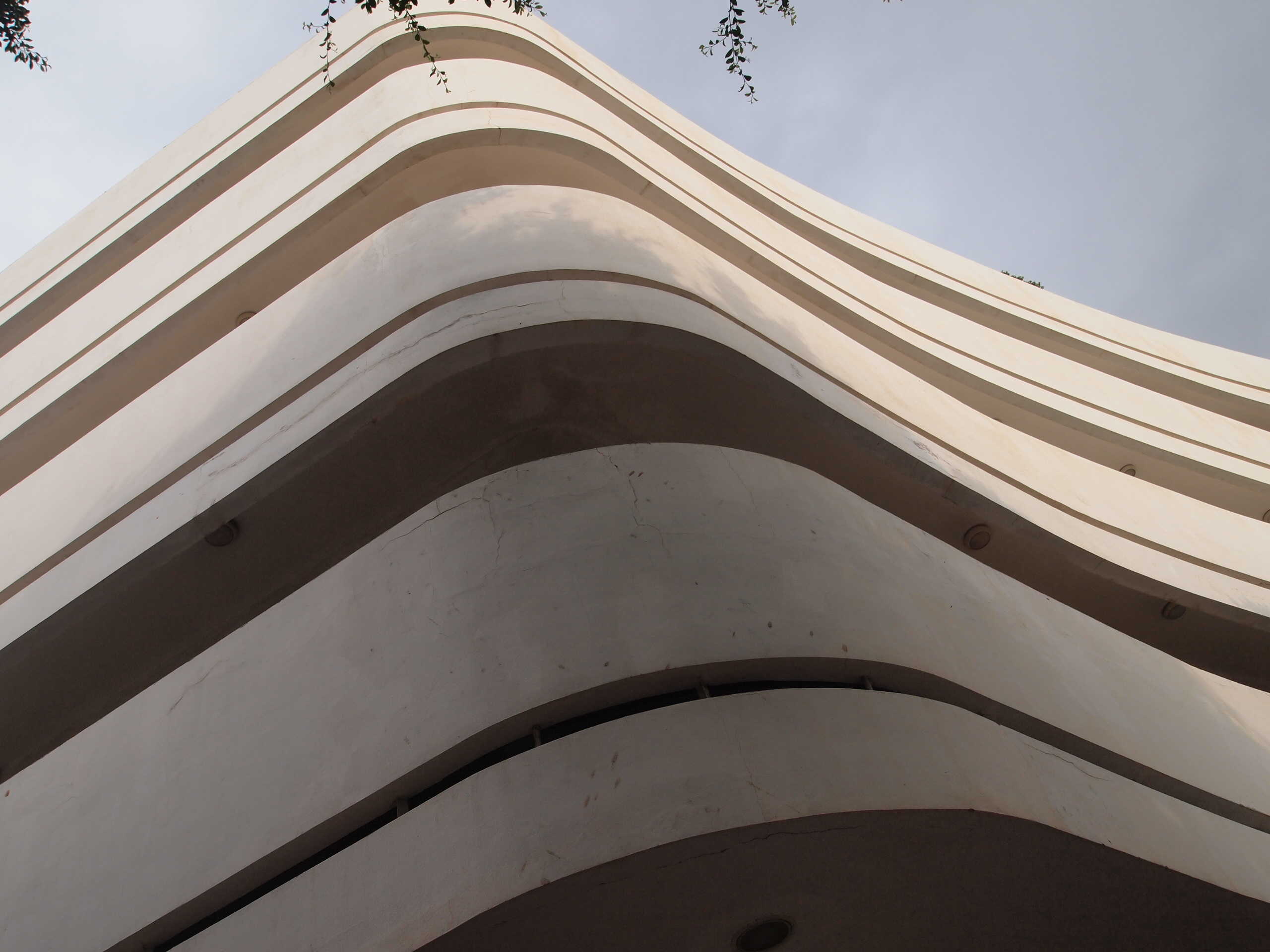
Germany’s Bauhaus school epitomized this trend, characterized by smooth, white structures emphasizing geometric forms and rounded facades. Ornamentation went out the window as traditional, tiled roofs were flattened and buildings were made of geometric blocks with large areas of glass. Asymmetry, simplicity, and functionality were the order of the day, and the materials of choice were concrete, steel, and plaster. These cheap, adaptable, and readily available alternatives to the standard brick and wood enabled anyone and everyone to build fast.
German pensioners were shocked by the square, white monstrosities springing up everywhere, but the younger generation adored the fresh, clean, modern look. Spreading like wildfire through Europe, the new style quickly reached the United States as well. Soon it was a global movement deserving of its title – the International Style. Often, though, it was simply called Bauhaus, after the school of architecture that had spawned it.
With the Nazis’ rise to power in 1933, Jews began leaving Germany, including many Bauhaus students and faculty. Other European architectural schools lost their Jews as well. Those who made their way to Mandate Palestine brought the International Style with them, pitching it as precisely the non-Orientalist architecture the Zionists had been looking for. Young, free, and rootless, innovative yet inexpensive, it fit the movement’s pioneer spirit perfectly.
Bauhaus reflected Theodor Herzl’s intuition that the Jewish homeland should be built from scratch, incorporating every technological development to achieve an ultramodern state. Its clean aesthetic made the new country look Western rather than Eastern. Taken to an extreme, it demonstrated that secular Hebrew society in the land of Israel was turning its back on tradition in pursuit of modern Jewish nationalism.
Not yet a Segula subscriber?
Access our full archive online, have print issues delivered to your door, and moreFeel free to share