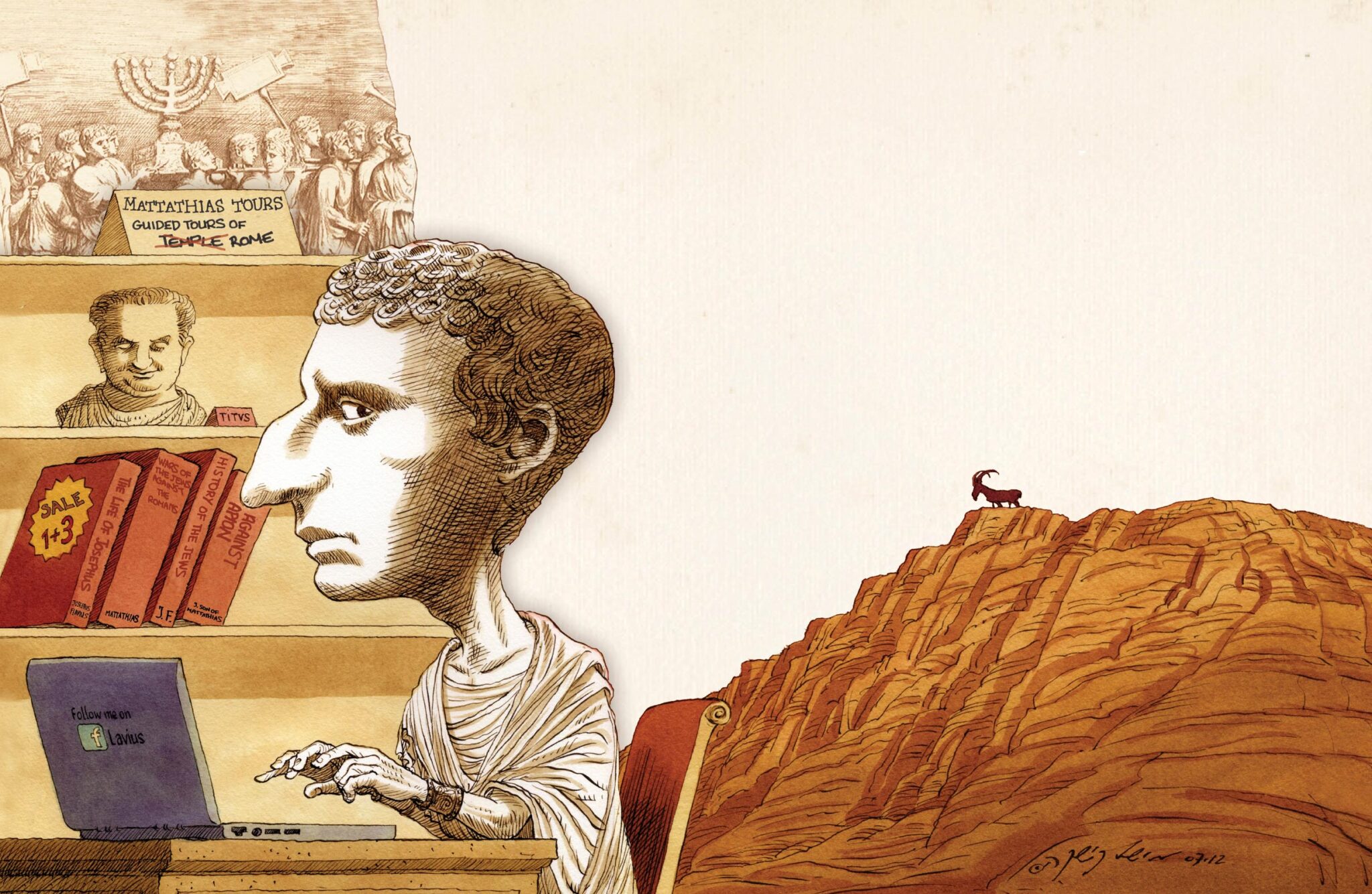
Scion of an aristocratic, priestly family in Jerusalem, Josephus Flavius explored various sects in search of his identity. As a rebel commander in the Great Revolt, he defected to the Romans, becoming one of the most controversial figures in Jewish history

Two thousand years after his death, Josephus remains controversial, admired by some and loathed by others, as if the historic events he reported occurred just yesterday. His insights into the turbulent Second Temple period starkly contrast with the vague picture painted by rabbinic literature. Priest and rebel, military commander, shrewd politician and occasional fortune-teller, Josephus was an outsider in his own land but a Jew in exile. He wrote in Greek, his second language, and until the discovery of the Dead Sea Scrolls, his works provided almost the sole window into the esoteric, sectarian world of Second Temple Judaism.
Josephus’ testimony leaves us confused: is our view of ancient Jewish history, guided by rabbinic tradition, too narrow? Could this man whom many of us love to hate, whose writings reveal an inflated ego, actually have known the sages better than we do? Josephus’ Sadducean practices and Hellenistic ideas make it hard to accept him as a guide to the personalities quoted in the Mishna and Talmud. But it is even harder to ignore him. He was there: he spoke with the sages, witnessed the Temple rituals, and knew all the names, intrigues, and factional loyalties of the high priests during and after the Great Revolt, which ended in 70 CE. In contrast, the only high priests of the period mentioned by rabbinic sources are Joshua son of Gamla and Hananiah son of Hezekiah, and even they appear only in a religious context.
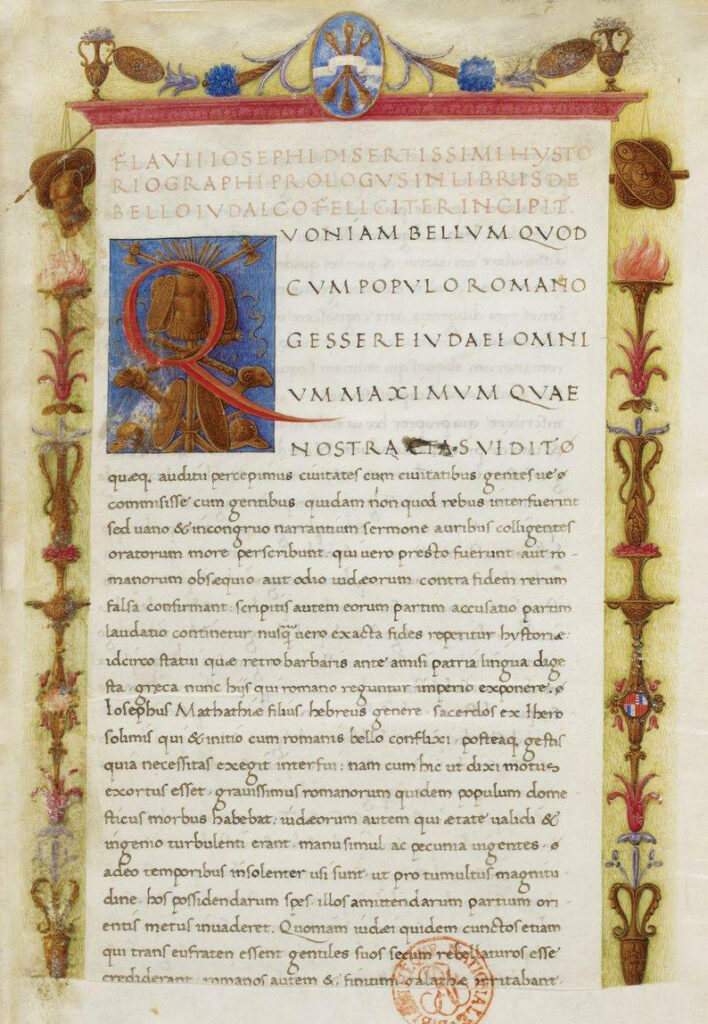
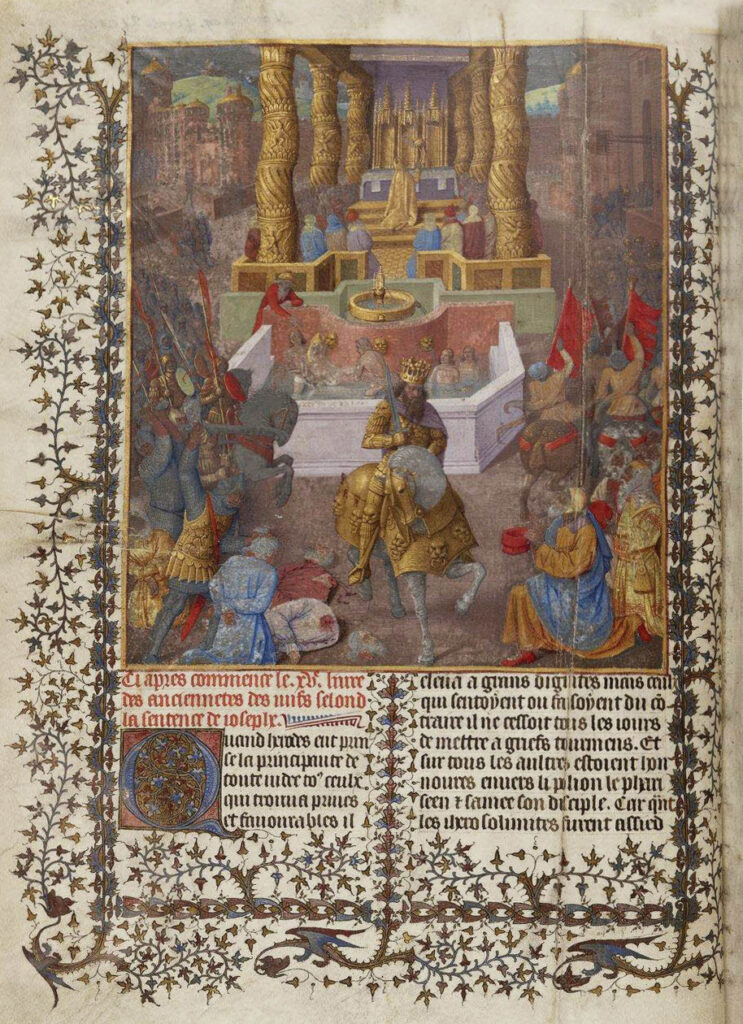
Although Josephus wrote in Greek, his writings were translated into Latin by Christian monks who saw them as evidence of Jesus’ divinity. Their critical importance for Jewish historical research was recognized only in modern times, and they’ve been translated and reprinted in various editions in English and Hebrew. Illuminated manuscripts of Josephus’ works
Not yet a Segula subscriber?
Access our full archive online, have print issues delivered to your door, and moreFeel free to share