An innovative Holocaust education program teaches students to create not just oral history but an intergenerational dialogue passing on the Jewish people’s story and values

Seventeen years ago, as a day school principal, I created an experiential project to add to our Holocaust studies curriculum. I quickly realized that only a small window of opportunity remained in which Holocaust survivors with conscious memories of the cataclysm inflicted on the Jewish people could still communicate their incredible tales, thereby honoring – and passing on – the mission many of them received from their parents: “to live, to remember, and to tell the world.”
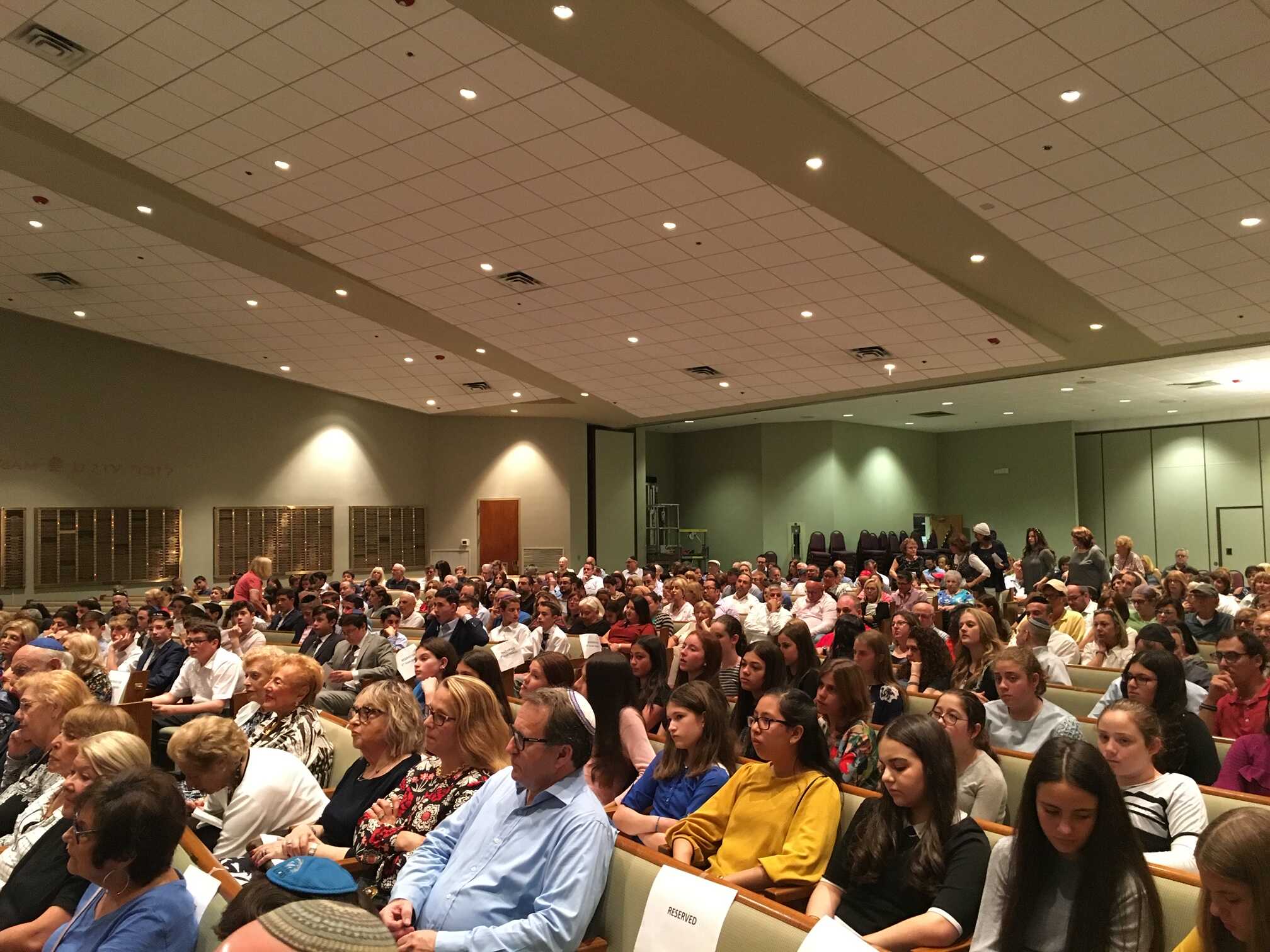
The program I devised, “Names, Not Numbers,” inaugurated at two Yeshiva University High Schools, has spread to over one hundred junior high and high schools, and universities across North America and in Israel. The project transforms Holocaust education by taking it beyond traditional classroom walls and turning it into an interactive, creative, and empowering experience for students. To date, more than 6,000 students have interviewed, filmed, and edited the testimonies of some 2,500 survivors and World War II veterans throughout the U.S., Canada, and Israel. The four hundred documentary films produced so far have been viewed by more than seventy thousand people worldwide and archived by the National Library of Israel, Yad Vashem, and Yeshiva University.
Encountering Survivors
Hearing a first-person account allows the student to become familiar with the face, heart, and spirit of an eyewitness, forging a personal connection to history. Survivors aren’t just telling their story, they’re reliving it, and students relive it with them. Sharing their experiences is their gift to both present and future. The survivors are witnesses, and the students can become – must become – witnesses to the witnesses.
As Chaim Weiser, a survivor participating in the project, wrote:
We Holocaust survivors are an endangered species. Before too long, the last of the witnesses to the slaughter of our loved ones, will, regrettably, cease to exist. It is therefore of the utmost urgency that we double our efforts to bring living testimonials to future generations. My family and descendants will forever bless you. Thank you all for remembering us. More importantly, thank you for not forgetting.
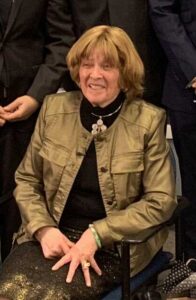
Many of those interviewed have never told their stories. Living alone with their recollections, these survivors benefit from social interaction. Intergenerational friendships are often forged as students come to understand the communities their interviewees came from, what their lives were like before the Nazis’ arrival, and what message they have taken from their past to hand on to the generation of the future.
In 2019, Tal Naider, an eighth-grader at Fort Lauderdale’s Brauser Maimonides Academy, summed up the program’s uniqueness:
Being a part of “Names, Not Numbers” was definitely one of the greatest things I’ve ever done. We’ve all read books about the Holocaust. We’ve all read news articles. But now, we had the opportunity to speak to some of the most incredible people we’ll ever meet – survivors themselves.
Not yet a Segula subscriber?
Access our full archive online, have print issues delivered to your door, and moreFeel free to share