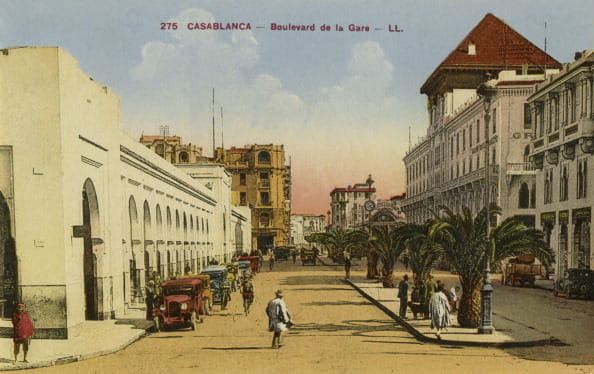
Though Morocco was ruled by the long arm of pro-Nazi Vichy France, the Jews of Casablanca somehow sheltered thousands of their fugitive European brethren. A forgotten rescue story

In the summer of 1940, the German conquest of France placed its Vichy government in control of French colonies around the world. These included territories in Africa (about a third of the continent), Syria and Lebanon, Vietnam and Cambodia, as well as strategic locations in the Pacific and Atlantic. Marshal Pétain’s regime cooperated fully with Nazi policies, with severe consequences for French Jews. In theory, this grim fate should also have befallen any other Jews under French dominion. However, their distance from the main theaters of the war largely precluded deportation to the extermination camps of Eastern Europe. Morocco, a French protectorate from 1912 to 1956, was home to one of the largest Jewish communities controlled by Vichy outside France.
Complex Identity
French cultural influence in Morocco complicated Jewish identity and created new possibilities for empathy and allegiance. The country’s Jewish community essentially had three options: Jews could identify with France, the colonial power; with Moroccan nationalism; or with the rival Jewish equivalent – Zionism. Over time, the community’s elite developed a complex, dual, sometimes even triple loyalty.
Moroccan Jewry capitalized on the French presence to accelerate its own social and cultural development, readily adopting and adapting to French culture and education.
But instead of embracing a population eager to immerse itself in French language and values, officials went out of their way to maintain the Jewish-Muslim parity pronounced by Marshal Lyautey, first French resident general of the Moroccan protectorate. Jewish schools, youth movements, and hospitals were therefore prohibited unless there were parallel Muslim institutions. (At the same time, the French preferred that “liberty, brotherhood, and equality” not take root among their Moroccan subjects, lest any hint of progress foment revolution in French North Africa.)
Thanks to the Alliance Israélite Universelle in France, however, French education was already available to Jews in Morocco. Founded by eminent French Jews in Paris in 1860, the Alliance opened its first school in the Moroccan city of Tétouan in 1862, and by 1900 there were a hundred such institutions, mostly in Morocco, Tunisia, and Turkey. Thus, when the French occupied Morocco, there was already a significant gap between the Jewish community and the Muslims.
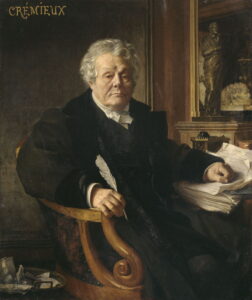
Under the French protectorate, then, Jews weren’t looking for equal rights with their Muslim neighbors; rather, they sought the same privileges accorded to French colonists, just as the 1870 Crémieux Decree had secured French citizenship for Algerian Jewry.
French colonialism certainly improved Jews’ living conditions and generated a wealth of business opportunities, primarily in import and export. Coupled with the Alliance educational system, the French presence irrevocably altered the relationship between Jews and Muslims in Morocco. The Jewish community’s edge became even more obvious after the country gained independence in 1956 and had to rely on a small, educated elite to run its institutions.
As a result, Jews were reluctant to undermine the colonial power. But neither were they keen to uphold a regime that discriminated against them, however subtly.
Jews’ swift professional advance, sweeping modernization, and pursuit of French citizenship weren’t necessarily popular among French colonial personnel, many of them right-wing racists. The French population was composed mostly of either minor clerks or wealthy colonists openly scornful of the “natives,” Jews and Muslims alike. Furthermore, French Moroccan schools naturally favored French students over Jewish and Muslim pupils. This prejudice pushed Jews closer to Moroccan society and its nationalist movement.
Disillusionment with France only increased with the Vichy regime’s anti-Jewish legislation, readily enforced by the Moroccan protectorate despite opposition from Mohammed V. Most affected were Jews with French or other foreign citizenship, as opposed to those who’d lived in Morocco prior to French occupation.
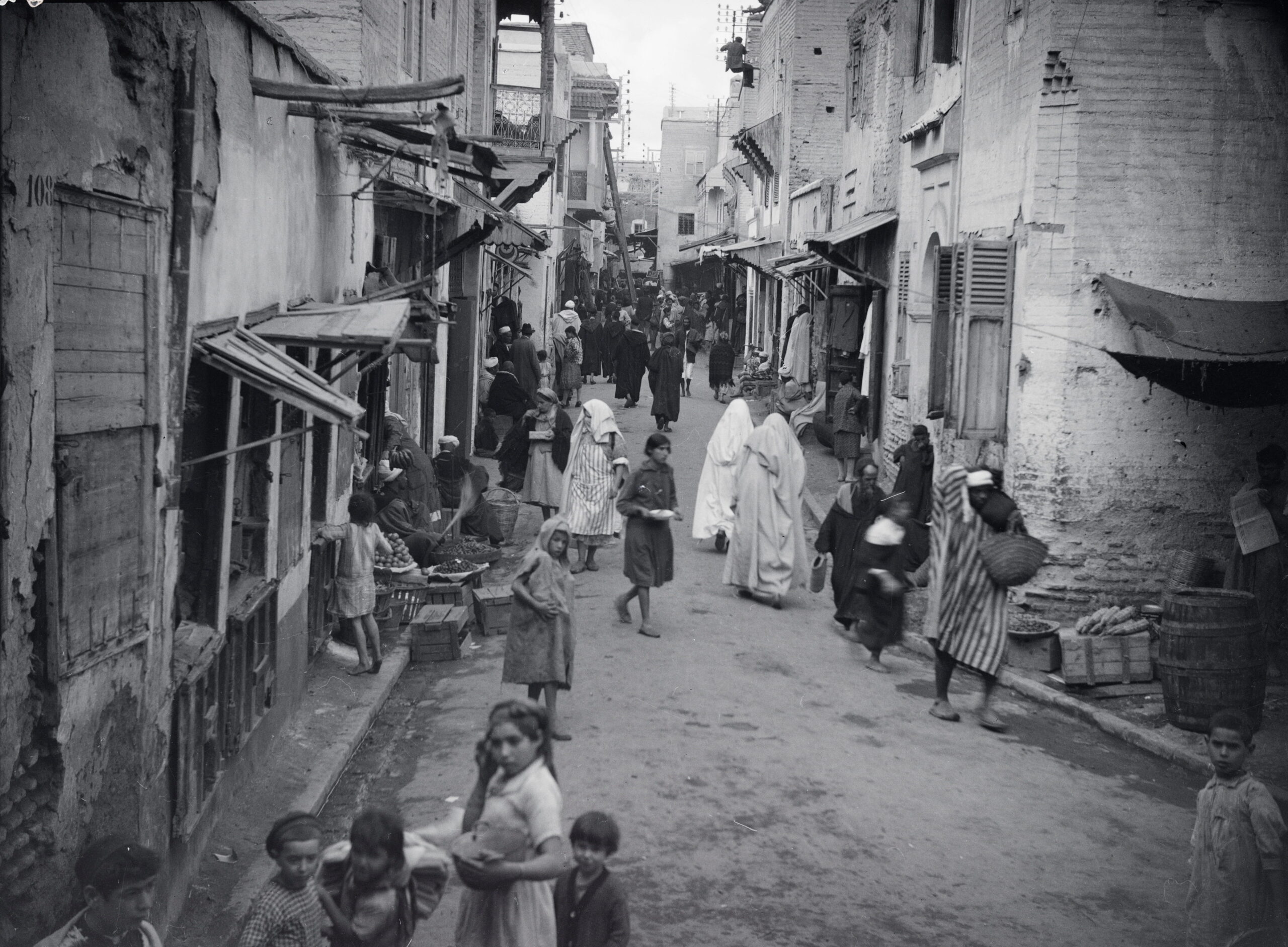
Vichy laws forced Jews back into crowded Jewish quarters. Mellah in Marrakesh, 1930s | Photo: Walter Mittleholzer, ETH Library, Zurich
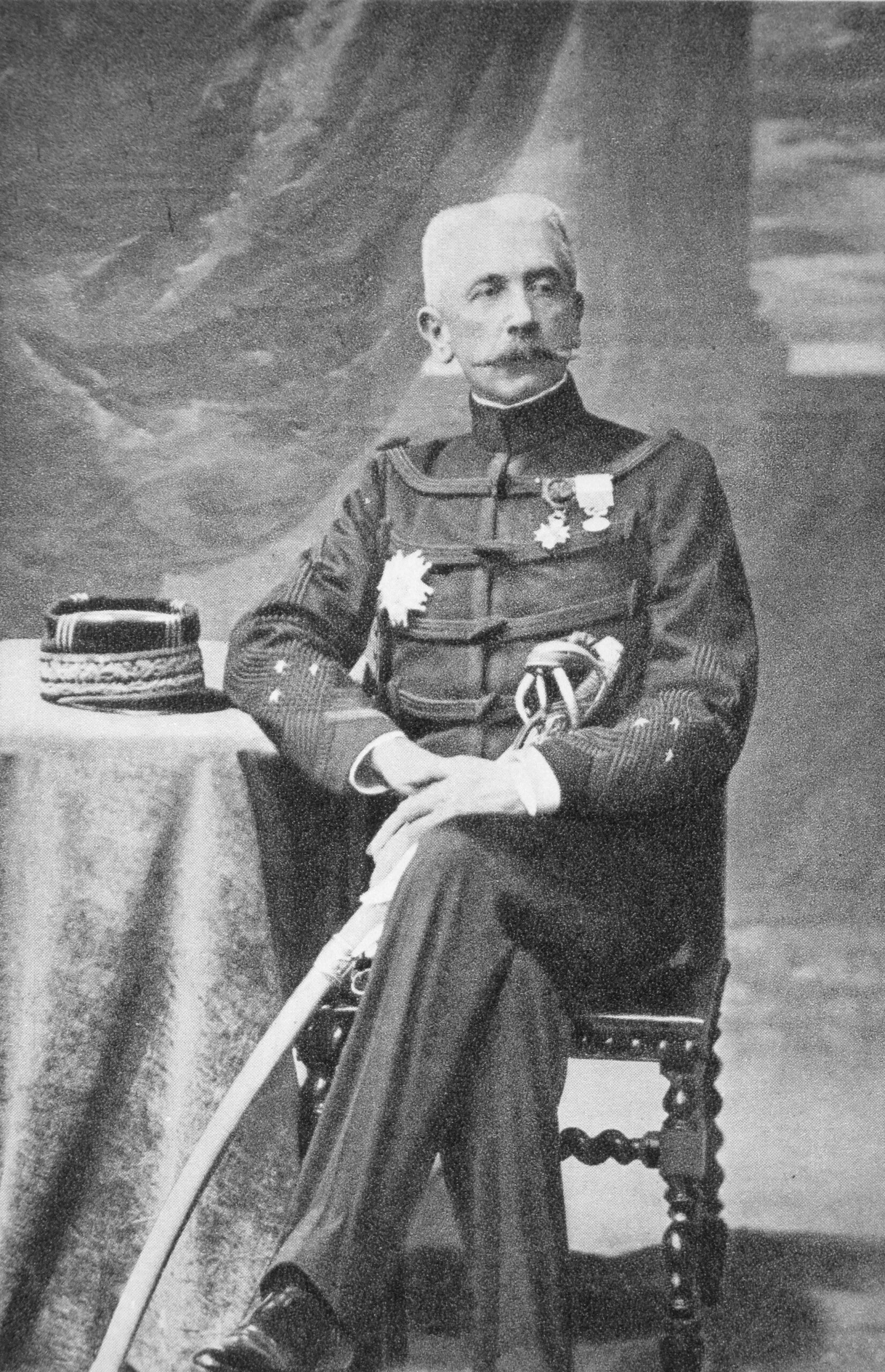
Hubert Lyautey, 1934 | Photo: Eugène Pirou
Not yet a Segula subscriber?
Access our full archive online, have print issues delivered to your door, and moreFeel free to share