Crashing through the ceilings of the cliffside houses of Gamla, Vespasian’s crack troops barely escaped with their lives. What secret weapon led to the first Roman defeat in the Galilee? Josephus’ Wars of the Jews may hold the answer

Summer, two thousand years ago. The Great Revolt against the Romans rages through Judea. Weary Jewish refugees climb the steep ravines of the Golan, eyeing the birds of prey circling above. Roman predators as well, eagles emblazoned on their ensigns, will soon spread over the formidable landscape, waiting to pounce. The Jews, some of them fugitives of earlier battles in the struggle for religious and national freedom, seek refuge in Gamla, the only fortified city left in the region.
From the Gamla National Park lookout platform, it is easy to imagine an observer in ancient times accurately recording every maneuver in the battle waged on the hump-shaped ridge below. Tourists flock here, not for the spectacular view of the Sea of Galilee in the distance, or for the vultures silently gliding by. They come to relive the drama of the battle and its tragic outcome. Day after day, over and over, tour guides recount the story of the Gamla siege. All quote the Jewish historian Josephus Flavius, the only extant source regarding the sequence of events that unfolded here.
An Unexpected Victory
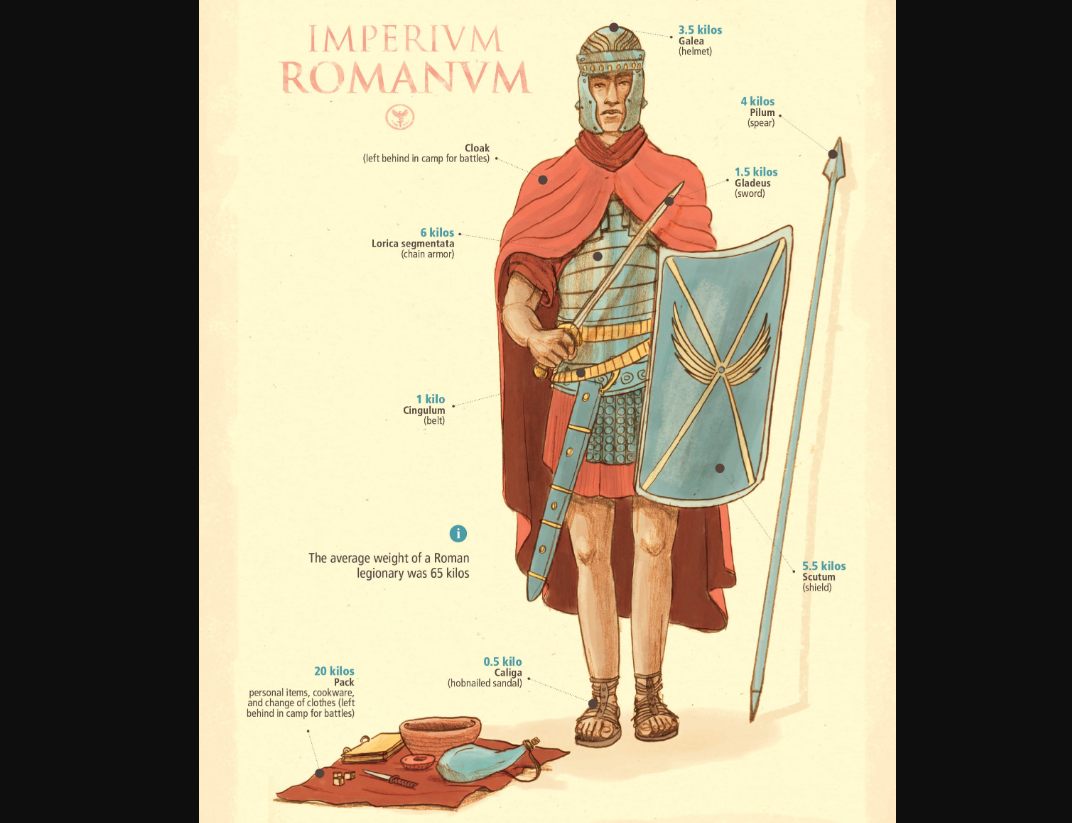
Although sometimes billed as the Masada of the north, Gamla differed drastically from the famous southern fortress. Masada was a palace turned into a refugee camp. The structures left behind by Herod the Great on that plateau overlooking the Dead Sea became the site of the last stand against the Romans. Gamla, on the other hand, was a thriving city in the Golan. It was only the Roman onslaught throughout the Galilee that left the city teeming with refugees. Whereas the Zealots of Masada died before confronting the Romans in hand-to-hand combat, the Jews of Gamla met the enemy head on. And surprisingly, the vast Roman forces were initially defeated. Vespasian’s army took up positions around the mountain on which the city stood. The Jewish defenders rained arrows and stones from the ramparts but could not prevent the approach of the three Roman battering rams. The defensive walls were shaken and breached, and legionaries poured in “with a mighty sound of trumpets and noise of armor” (Josephus, Wars of the Jews IV, 1:4).
Josephus reports how the desperate defenders
fell upon the Romans for some time … and prevented their going any further, and with great courage beat them back … the Romans were so overpowered by the greater multitude of the people, who beat them on every side, that they were obliged to run into the upper parts of the city. Whereupon the people turned about, and fell upon their enemies, who had attacked them, and thrust them down to the lower parts, and, as they were distressed by the narrowness and difficulty of the place, slew them. (ibid.)
Their way blocked from above by the defenders’ fierce resistance (as well as from below as their companions pressed through the breach in the wall behind them), the Roman soldiers
were compelled to fly into their enemies’ houses, which were low; but these houses being thus full of soldiers, whose weight they could not bear, fell down suddenly; and when one house fell, it shook down a great many of those that were under it, as did those do to such as were under them. By this means, a vast number of the Romans perished … although they saw the houses subsiding, they were compelled to leap upon the tops of them; so that a great many were ground to powder by these ruins, and a great many of those that got from under them lost some of their limbs, but still a greater number were suffocated by the dust that arose from those ruins. (ibid.)
Vespasian himself escaped by the skin of his teeth, forcing his men to retreat. He then “comforted his army, which was much dejected by reflecting on their ill success … because they had never before fallen into such a calamity” (ibid., 6). Their second attack was remorseless. A wild, unseasonable storm wracked the hillside, nearly sweeping the Jewish defenders from their outposts. The wind seemed to hasten the Romans’ attack and turn back the Jews’ arrows. Surrounded, thousands of Jews hurled themselves and their families from the precipices to their deaths, leaving only four thousand to the Roman swords.
While the defeat of Gamla was inevitable, the fierceness of the Jews’ defense and their initial victory leave us wondering. What spurred them to meet the powerful Roman army face to face, after all the neighboring cities had fallen? What made so many roofs collapse beneath the besieging legionaries, trapping vast numbers of them? And why were the Jewish defenders spared?


Stark contrast: remnants of frescoes from Gamla and stone shot fired from the Roman ballista that battered the city’s walls | Photo: Nicola Radicci Luzzatti, courtesy of the Golan Antiquities Museum
Not yet a Segula subscriber?
Access our full archive online, have print issues delivered to your door, and moreFeel free to share