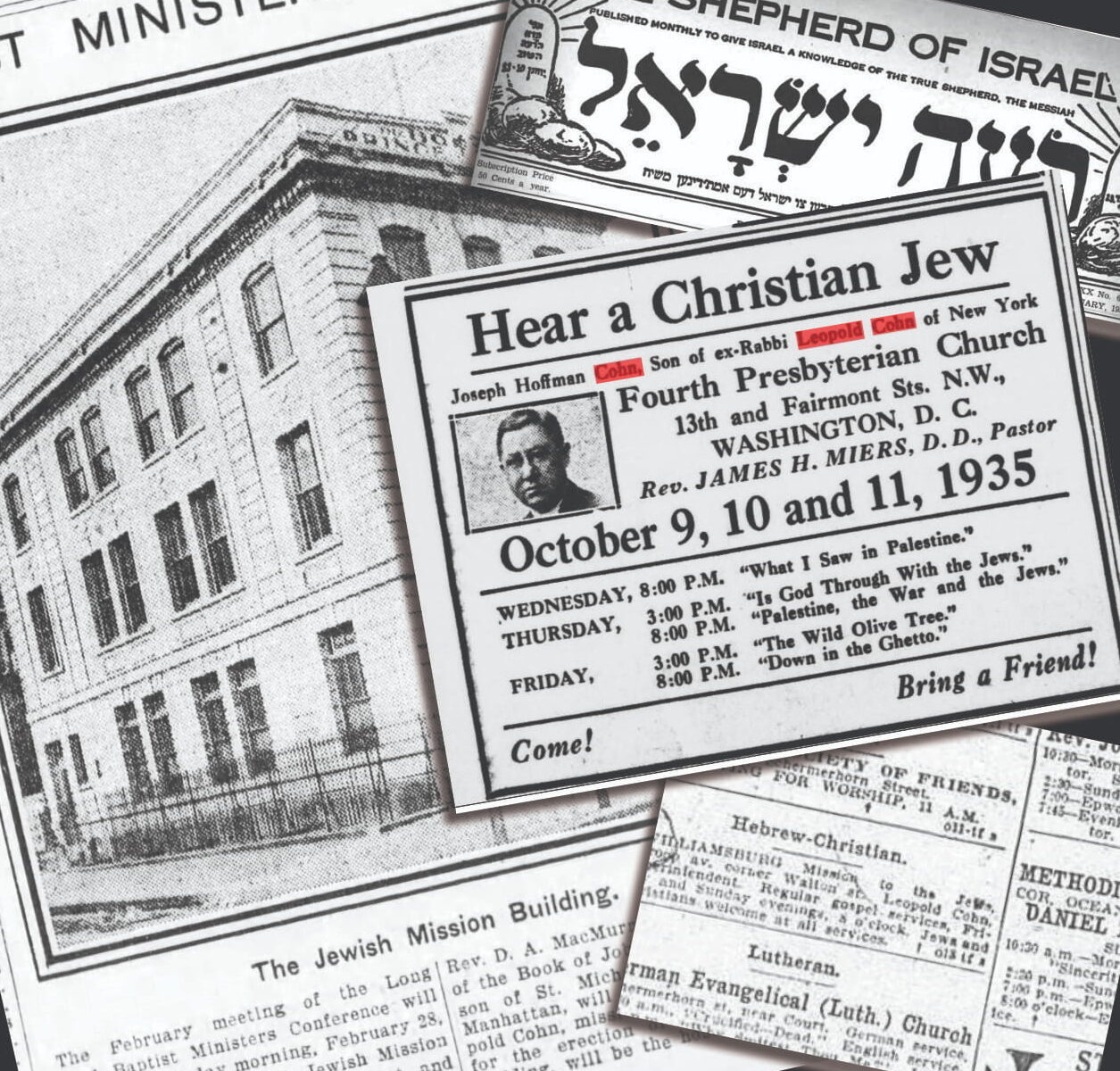
Though Leopold Cohn encouraged Jews to convert to Christianity, he urged them to retain their Jewish identity as well. Helping Jewish immigrants and fighting anti-Semitism stayed high on his agenda – and remain so for the many Christian organizations and individuals who’ve followed in his footsteps

The goal of converting Jews to Christianity is as old as the split between the two religions. Only the methods have varied, ranging from material incentives, intellectual persuasion, and cultural assimilation to the point of the sword or the flames at the stake. By and large, Protestant North America spared its Jews the persecutions they’d left behind in Europe and the Spanish colonies of South America, concentrating all its efforts on persuasion rather than coercion.
Although Jews have been in America since the early 17th century, the Protestant church began proselytizing among them only in 1816. With the beginning of the great influx of Jews into the U.S. in the late 19th century, missionaries targeted particularly the poor. Thus, as scholar Yaakov Ariel asserts: “Until the 1880s, […] missionary enterprises were small and sporadic […]. In the late 1870s, only one mission labored among the Jews in America” (Yaakov Ariel, Evangelizing the Chosen People: Missions to the Jews in America, 1880–2000 [Chapel Hill: University of North Carolina Press, 2000], p. 2). Later, however, the number of missions focused on Jews rose significantly, and dozens of such missions still operate today.
The upsurge in missionary activity in America since the late 19th century can be attributed to three factors: first and foremost, the great Jewish migration peaking between the early 1880s and the early 1920s), during which the number of Jews in the U.S. grew tenfold, exceeding 4.2 million by 1927; second, the spread of Dispensationalism, a school of premillennialist Christian eschatology founded in Britain in the 1830s, which gained popularity in the United States from the 1870s onward; third, the rise of Jewish nationalism beginning in the mid-19th century, culminating in the establishment of the Zionist movement in 1897.
Dispensationalism interprets the Bible as God’s plan for humanity throughout history, including the end of days. This plan requires the Jews’ return to the land of Israel before the Second Coming. The birth of Zionism thus increased Christians’ interest in their Jewish neighbors.
According to premillennialist eschatology, Jews are misguided but still have a crucial role to play in the redemptive process. Thus, in the early 1800s, Protestant missions in England and Scotland no longer sought to fully convert them. Rather, Protestants encouraged Jews to preserve their Jewish identity but accept Jesus and the New Testament. These converts were known initially as Christian Jews, and this type of mission was later dubbed Messianic Judaism. Europe numbered no more than a few hundred such Jews. In America, however, as of the late 19th century, Messianic Judaism was the leading form of mission to Jews, assuring them that embracing Jesus would actually enhance their Jewish identity, placing them on a higher spiritual plane than their brethren and even than born believers.
The man behind this revolutionary concept, which ultimately spawned the wildly successful Jews for Jesus movement, was himself a Jew: Eisik Leib Yosowitz, later known as Leopold Cohn.
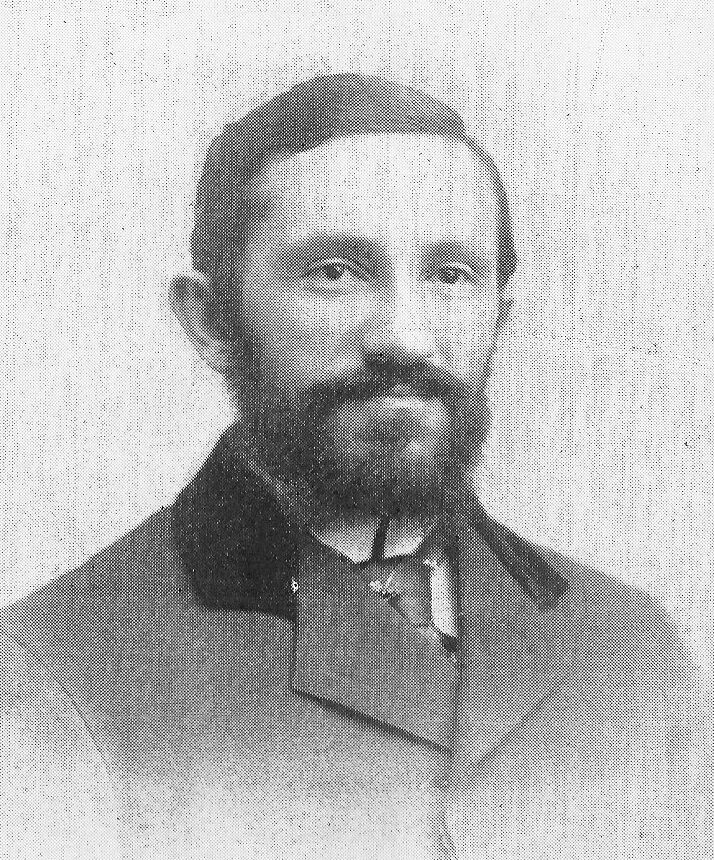
By Jews, for Jews. Leopold Cohn
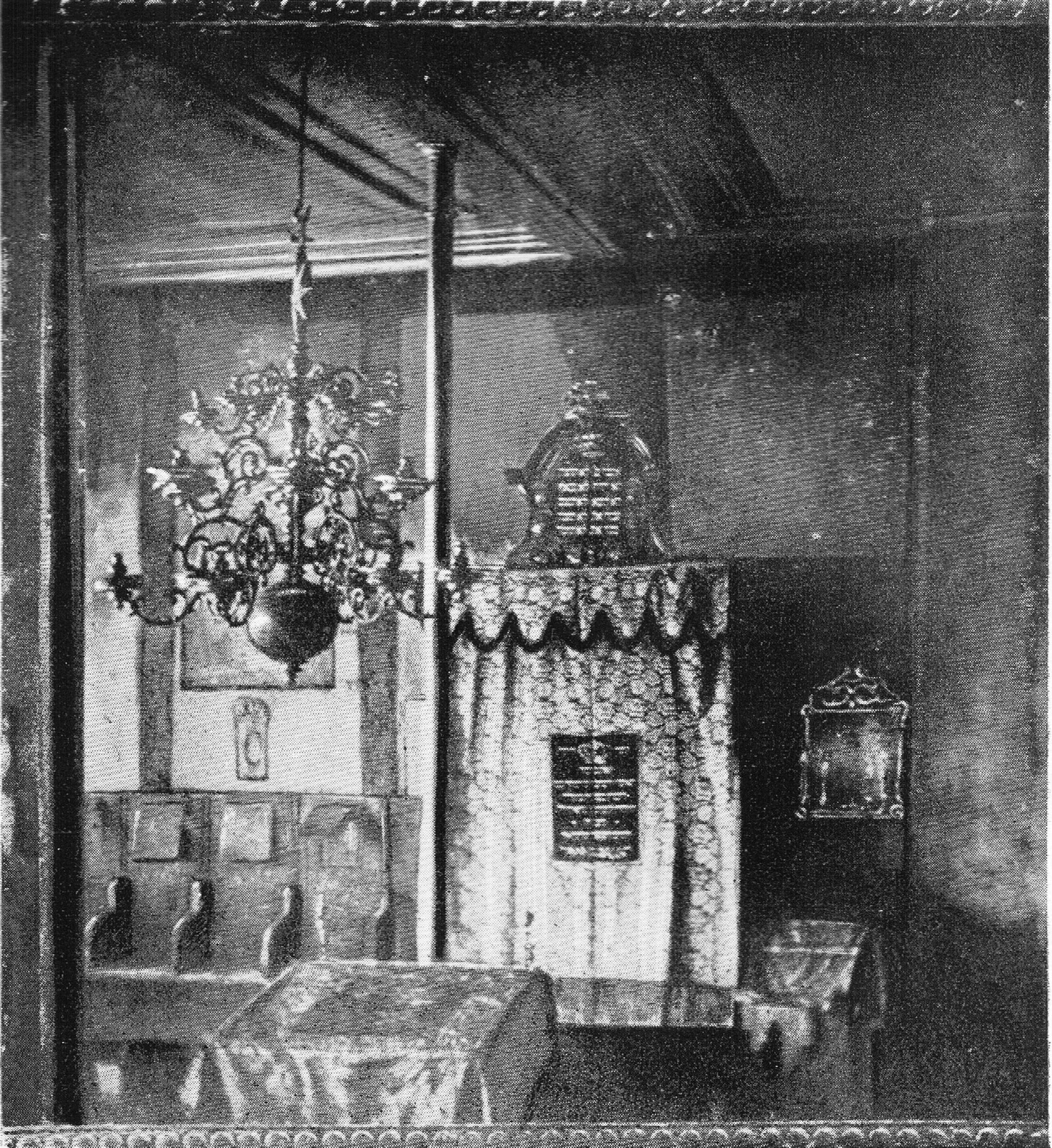
Eisik Leib Yosowitz studied at Hungary’s most elite Talmudic academies. The holy ark at Pressburg Yeshiva, from a book published in 1902
A Hungarian in America
Eisik Leib Yosowitz was born in 1862 in the village of Brezna, in the Maramaros county of eastern Hungary. In this remote and sparsely populated region, most – including the Jews – eked out a living as farmers. The local Jews were known for their devout Hasidism and absolute obedience to their rabbis. Like most of the area’s Jewish children, Eisik Leib grew up in a Yiddish speaking environment and received a traditional heder education.
When the boy was seven years old, his father died, and after his bar mitzva, his mother sent him to the Hasidic yeshiva in the small town of Sighet, the county capital. Rabbi Yekutiel Yehuda Teitelbaum, head of the yeshiva and chief rabbi of the town, was a Hasidic leader renowned for his zealousness. A few years later Yosowitz continued his studies in Hungary’s most prestigious yeshiva, located in Pressburg (today Bratislava, capital of Slovakia). There, according to his own testimony, he was ordained as a rabbi – a claim unsubstantiated by other sources.
After returning home, Yosowitz married Rosa Hoffman, daughter of a prosperous Jew from Apshitza (another small village in Maramaros), and the couple moved in with the bride’s parents. As was customary in those days if the groom was a Torah scholar, the bride’s father supported the newlyweds, allowing the young man to continue his studies. Unfortunately, Rosa’s father died a year later, obliging Yosowitz to take over the family business, including management of the local inn. Given his above-average Talmudic knowledge, although he held no formal position, the local Jews regarded him as their highest rabbinical authority, consulting him on all religious matters.
In 1891, Yosowitz and his brother-inlaw were accused of forging a deed to a piece of land belonging to one of their clients who had passed away without heirs. Yosowitz immediately fled the country to avoid trial, leaving behind his wife and their four children. He reached the United States in early 1892 after a lengthy journey and was warmly received by some of his friends and countrymen. Cohn later denied this version of events, claiming that theological doubts had precipitated his emigration to America.
Not yet a Segula subscriber?
Access our full archive online, have print issues delivered to your door, and moreFeel free to share